The True Stories That Redefine What Women Watch


In 2026, storytelling is no longer about imagination alone.
The most compelling series are not the ones invented. They are the ones that actually happened.
And for women, these stories resonate differently.
They are not just watched. They are felt.
Inventing Anna: The Power of Illusion

It is not a story about deception. It is a story about perception and how easily the world believes what it wants to see, especially when it looks like luxury.
Anna Delvey did not create a false identity from nothing. She constructed one from the very materials that society already valued: confidence, aesthetics, and the appearance of wealth. She understood something most people spend a lifetime learning that image is currency.
For the sovereign woman, Inventing Anna is not a cautionary tale. It is a case study in the power of narrative and a reminder that the stories we tell about ourselves matter as much as the facts behind them.
The Crown: Women and Power
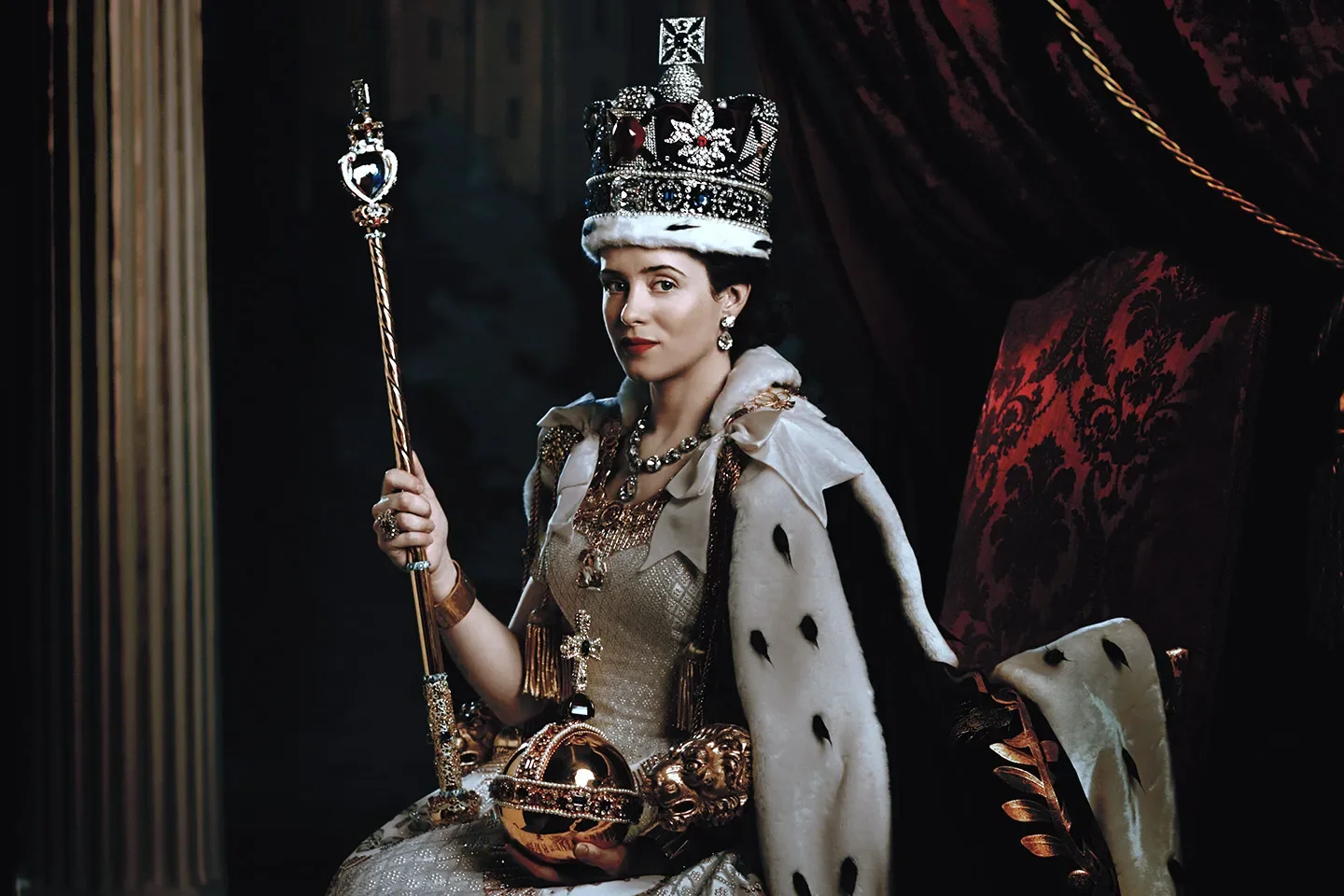
Few series capture female power with the precision of The Crown. Through the life of Queen Elizabeth II, it reveals something that most narratives about powerful women still fail to understand that power, at its highest level, is not performed. It is carried.
Every scene is a negotiation between what is felt and what is shown. Every silence is a decision. The Crown does not ask us to admire Queen Elizabeth II. It asks us to understand the extraordinary discipline required to inhabit a role with that kind of permanence.
For the sovereign woman, The Crown is a masterclass. Not in royalty but in the art of holding authority without surrendering the self. In knowing when to speak, and when silence is the more powerful statement.
The Dropout: Ambition and Obsession

The Dropout tells the story of Elizabeth Holmes a woman who built one of Silicon Valley's most celebrated companies on a vision that was not yet real. It is a story about ambition taken past the point of honesty, and about what happens when the desire to be extraordinary overrides every other instinct.
What makes it compelling is not the deception itself, but the hunger behind it. Holmes wanted, more than anything, to be taken seriously in a world that was not built to take women like her seriously. That does not excuse what she did. But it explains something about the pressure that produced it.
For the sovereign woman, The Dropout is a study in the cost of confusing vision with reality and a reminder that conviction alone is not enough. The work has to be real.
Unbelievable: Truth and Justice

Unbelievable is one of the most precise portrayals of justice ever made. Based on a real rape case, it follows a young woman whose story is disbelieved by the very people charged with protecting her and the two female detectives who, years later, find the truth she was never allowed to tell.
The series does not dramatise. It documents. And in that restraint, it achieves something extraordinary: it makes the viewer feel, with absolute clarity, the weight of being a woman whose truth is questioned before it is heard.
For the sovereign woman, Unbelievable is not comfortable viewing. It is necessary viewing. Because the systems it exposes are not historical. They are present. And understanding them is the first step toward changing them.
Dahmer: When Reality Becomes Uncomfortable
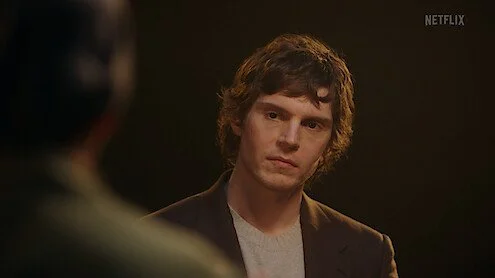
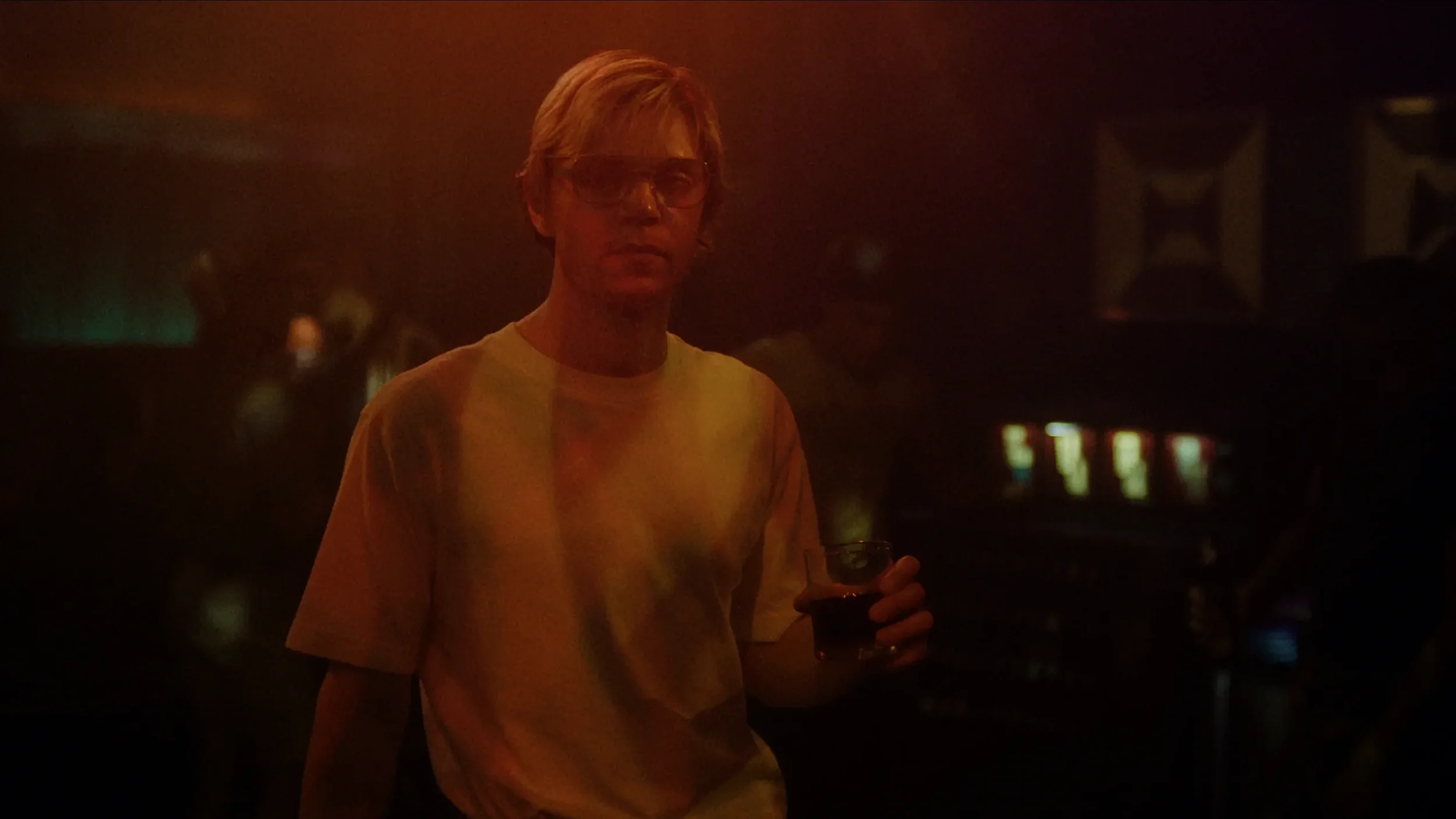
Dahmer is not a series about a female experience. It is something else entirely a portrait of evil so ordinary that it unsettles every assumption we hold about how monsters are made and how they are missed.
What makes it relevant here is not its subject but its effect. Ryan Murphy's series forces a confrontation with the systems that failed neighbours who noticed but did not act, institutions that looked away, a society that found it easier to ignore than to question. The discomfort it produces is productive.
For the sovereign woman, Dahmer offers a different kind of intelligence a reminder that awareness is not paranoia. It is clarity. And clarity, in a world that often prefers comfort to truth, is its own form of power.
The series that have defined this moment in television did not invent their characters. They found them in court records, in news archives, in the quiet tragedies that happened before anyone was paying attention.
And for women watching, these stories do something that fiction, for all its craft, rarely achieves: they confirm. They confirm that the ambitions felt, the injustices experienced, the power negotiated in silence these are not individual experiences. They are collective ones.
That is why these series matter. Not because they are true. But because they are recognised.