Niche Perfume Houses: The Sovereign Woman's Olfactory Edit for 2026
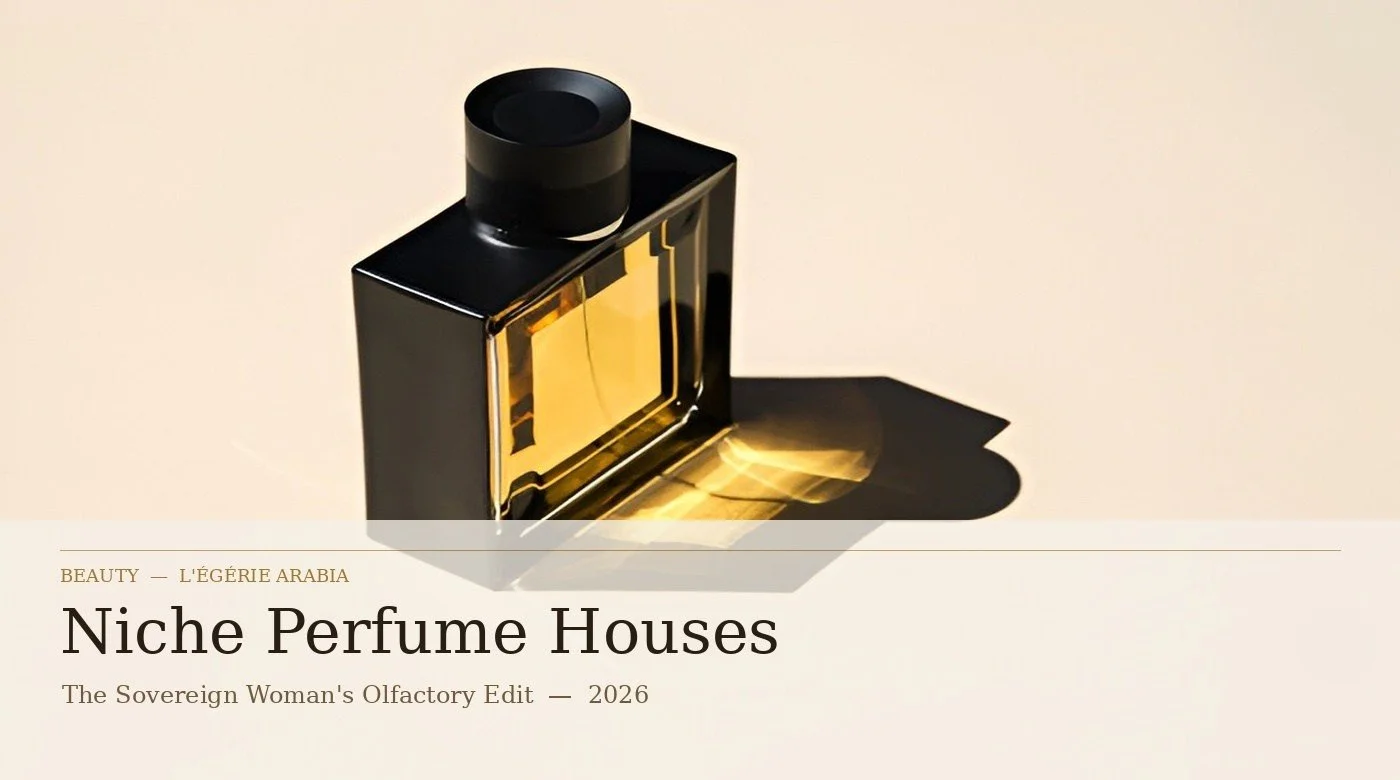
There is a particular kind of intelligence that expresses itself through scent. Not the intelligence of following — not the blind acquisition of whatever fragrance is glowing on an airport shelf or trending in a checkout queue. The intelligence of choosing. Of knowing why a molecule behaves differently on your skin than on a blotter. Of understanding that a perfume is not an accessory. It is a position.
In 2026, the sovereign woman of the Gulf is not asking which fragrance is popular. She is asking which fragrance is right. And the answer, increasingly, is found not in the mainstream luxury corridor not in the department store glass case between the cosmetics counter and the duty-free corridor but in the niche houses. The independent maisons. The laboratories of olfactory conviction that refuse to produce anything designed for everyone, and therefore produce something extraordinary for the few who know how to look.
This is L'ÉGÉRIE ARABIA's intelligence guide to the niche perfume houses that matter in 2026. Not a list. An argument.
The Context: Why Niche Has Become the New Luxury Standard in the Gulf
Before the names, a structural observation. The Middle East fragrance market was valued at over $4 billion in 2025 and is projected to reach $8.33 billion by 2035. But the headline figure obscures the more interesting story: within that market, niche perfume sales jumped by 14% in 2023, significantly outpacing mainstream segments a clear signal that exclusivity and personal storytelling drive purchase decisions among the millennial and Gen Z demographic.
The Gulf woman did not need the Western niche market to validate her taste. She had already been living it in the precision of her layering rituals, in her understanding of how oud behaves differently in dry desert air versus the humidity of a coastal evening, in the forensic approach she brings to sampling. The local buyer is discerning in a way that can feel almost forensic: she samples relentlessly, tests in real heat and real air-conditioning, compares formats, learns what lasts on fabric, tracks what wears beautifully through long evenings and close conversation.
What has shifted in 2026 is not her taste. It is the global fragrance industry's belated recognition that the Gulf is not a regional market to be served with oud-inflected flankers. It is, in fact, setting the standard. The UAE is forecast to export over 88 million kilograms of fragrances by 2026 placing it among the world's leading fragrance exporters, on par with France and the United States. Paris is no longer the sole meridian of olfactory authority. It is one axis among several. And the Gulf is another.
With this context established, the edit.
I. Amouage — The House That Proved the Gulf Could Define Global Luxury
Amouage is the entry that requires the least justification and the most precision. Founded in 1983 under the patronage of the Sultan of Oman, the house did something that no Gulf fragrance brand had managed before: it became the reference point for ultra-premium perfumery not in its home region, but internationally. The primary market for Amouage is not in its native region but in the United States which tells you everything about the calibre of what is being produced, and nothing about where its soul belongs.
In 2026, Amouage holds a 4.5% share of the global niche perfume market, resonating strongly with Middle Eastern buyers through its use of oud, amber, and musk. But reducing Amouage to its ingredients would be reductive. What Amouage produces is not an ingredient showcase. It produces a point of view. The house's compositions structured, deliberate, often austere in their opening before revealing extraordinary depth speak the same language as the sovereign woman's wardrobe philosophy. Nothing gratuitous. Nothing performed. Everything earned.
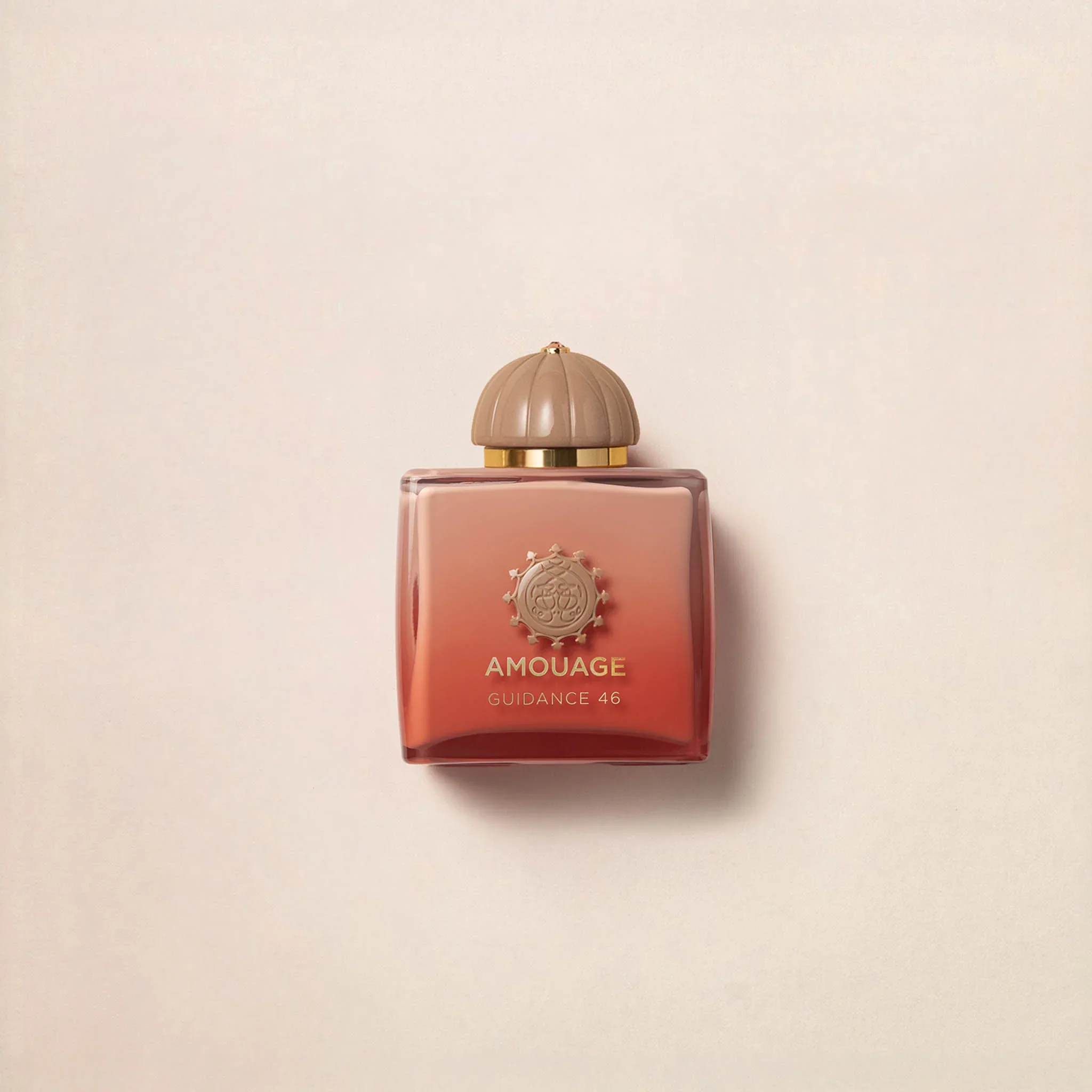
The 2026 edit from Amouage centres on their Guidance line, which brings the house's signature frankincense architecture into conversation with modern woods and resins.
For the woman who has already explored the house's classics — Reflection, Interlude, Memoir —Guidance 46 Extrait represents the current apex: frankincense, heritage materials, and the idea that fragrance can be cultural continuity without being literal tradition.
The sovereign verdict: Amouage is not a discovery. It is a commitment. If you are not yet in this house, 2026 is the year to begin.
II. Maison Francis Kurkdjian — The Parisian House That Understands the Gulf Better Than Paris Does
Maison Francis Kurkdjian commands a 5.5% share of the global niche perfume market, epitomizing modern luxury in niche perfumery. The numbers, however, do not explain the house's particular resonance with the Gulf woman.
Francis Kurkdjian himself has noted that "perfume trends are more like 5-10 years... perfume is a reflection of the culture at large." This long-view philosophy the refusal to chase the seasonal is precisely what aligns MFK with a woman who builds her wardrobe and her life around structural choices rather than momentary impulses.
Baccarat Rouge 540 requires its own paragraph. Not because it needs introduction it does not — but because its cultural position in the Gulf in 2026 has evolved beyond the merely popular into something more interesting. Baccarat Rouge 540 became a shared reference point across dinners, weddings, offices, and airport lounges. Part of its power is its ambiguity: sweet, but not childish. Radiant, but not citrusy. Airy, but still persistent. In Gulf perfume culture, where layering is second nature, Baccarat also functions as what Harper's Bazaar Arabia has described as an amplifier a base note for an olfactory construction rather than a destination in itself.
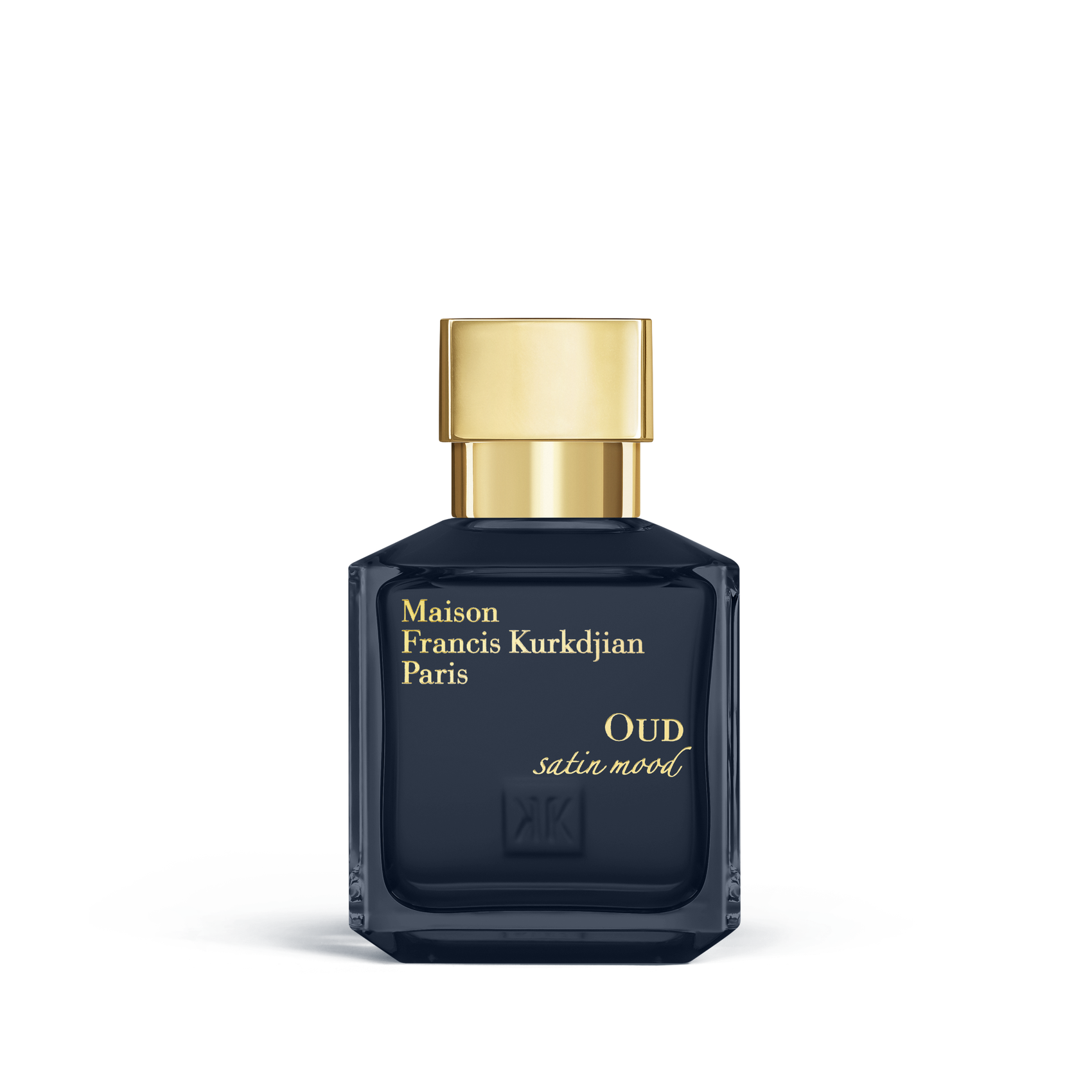
In 2026, the more sophisticated MFK choice is the Oud Satin Mood the house's direct engagement with the Gulf's native olfactory language, filtered through Kurkdjian's Parisian sensibility. It is not an appropriation. It is a conversation.
The sovereign verdict: Baccarat Rouge 540 is the fragrance you already know. Oud Satin Mood is the one you should know next.
III. Xerjoff — The Italian House for the Woman Who Refuses to Explain Her Choices
If Amouage represents olfactory authority and MFK represents architectural elegance, Xerjoff represents something harder to name a kind of sovereign indifference to trend that produces, paradoxically, one of the most coveted catalogues in contemporary niche perfumery.
Xerjoff focuses on artisanal craftsmanship and the use of rare, high-quality ingredients, excelling in storytelling a key factor for the 60% of niche fragrance buyers who prioritize brand narratives when making purchasing decisions. But Xerjoff's storytelling is not obvious. It does not announce itself. It constructs olfactory worlds vast, cinematic, requiring time and attention to fully inhabit.
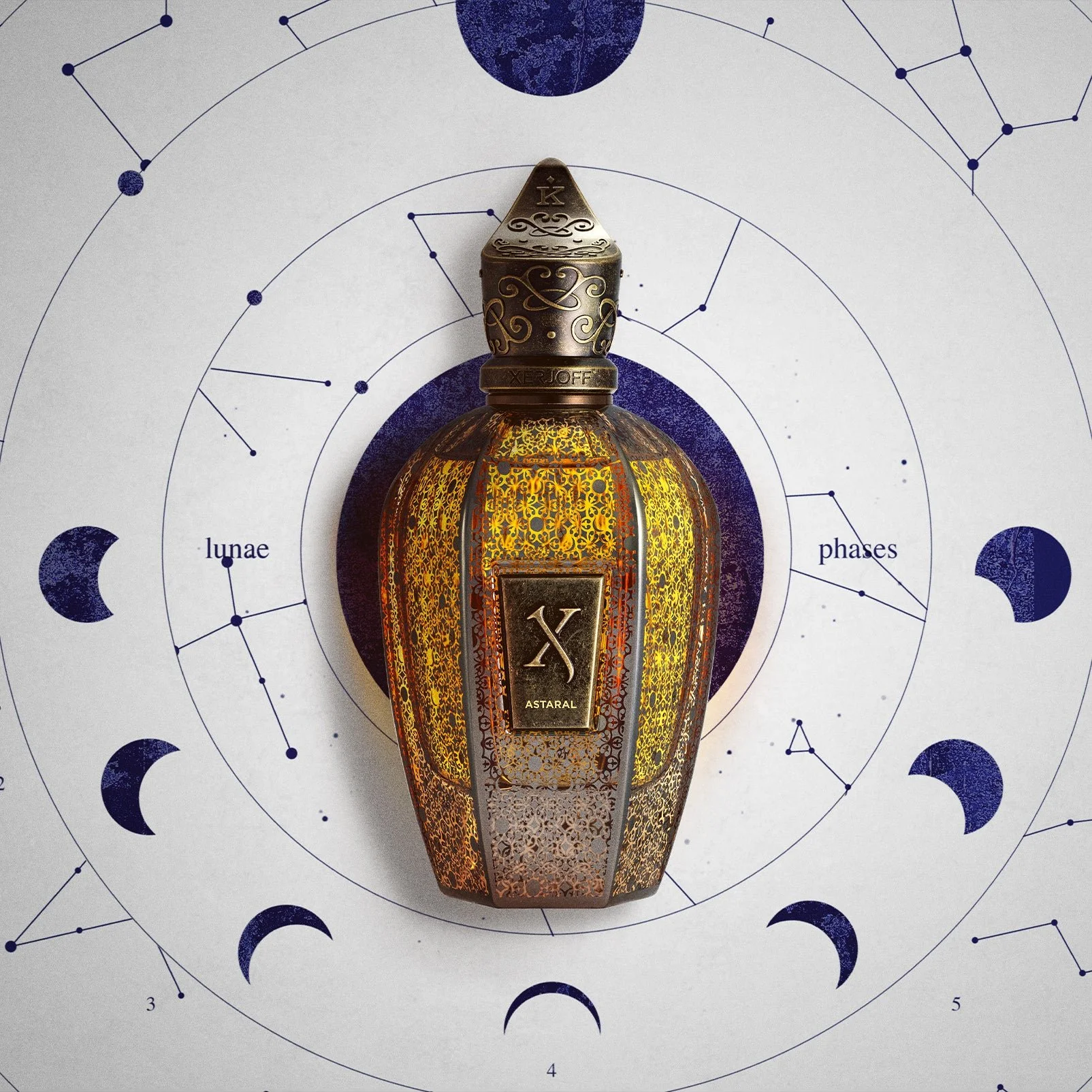
The house's Casamorati line, in particular, speaks to the Gulf woman's current movement toward warmth without heaviness: rose and amber constructions that feel substantial in the cool of an air-conditioned interior and beautifully calibrated in the evening air.
Italica, from the main collection, remains one of the most elegant white musks in the niche market a scent that wears like a second skin on the right person, invisible to the room but undeniable up close.
The sovereign verdict: Xerjoff is for the woman whose fragrance is not a statement. It is a revelation reserved for those close enough to discover it.
IV. The Regional Houses Rewriting the Rules: Rasasi, Zimaya, and the New Gulf Independents
The most interesting development in Gulf fragrance in 2026 is not what the international houses are doing in the region. It is what the region's own houses are doing to the international conversation.
Dubai and Riyadh have become hubs for luxury perfumery that rivals and often exceeds — Western standards. The leading regional houses are no longer content with producing local bestsellers. They are building legacies.
Rasasi, in particular, has undergone a transformation that the global niche community is only beginning to register. The house is moving decisively away from its reputation as a value-driven producer toward what its creative direction has termed "original DNA" compositions that owe nothing to existing Western references and everything to the house's own evolving olfactory intelligence. Their 2026 Oudh Inferno collection is the clearest evidence of this ambition: a series of oud-forward constructions that use the material not as heritage gesture but as structural architecture.
Zimaya, the newer Emirati label, represents a different proposition: local momentum brands that emerge, refine quickly, and meet a customer who knows exactly what she wants: longevity, impact, and a signature that feels current, not copied. The house's recent florals lighter in construction than the Gulf's traditional preferences, but with the projection and longevity the region demands suggest a house that is actively bridging the aesthetic gap between Eastern and Western perfumery without compromising either.
The sovereign verdict: Supporting these houses is not a regional gesture. It is a recognition that the most interesting perfumery in the world is currently being produced here.
V. The Intelligence of Decant Culture — How the Sovereign Woman Buys in 2026
A note on acquisition, because how one buys is as revealing as what one buys.
The new model of buying fragrance in the Gulf is sampling as a lifestyle: testing in real heat, in air-conditioning, on fabric, on hair, over a long day, before committing. Decants also democratise niche you don't need to gamble on a full bottle to participate in perfume culture; you can collect experiences in five-millilitre increments.
This is not frugality. It is rigour. The sovereign woman does not buy a perfume because it was beautiful on a strip of blotter paper held at arm's length in a climate-controlled boutique. She buys it because she has lived in it — because she has worn it through a full day, through different temperatures, through proximity and distance and it has proven itself worthy of her skin.
The proliferation of decant culture in the Gulf has produced something valuable: a population of perfume buyers with an unusually sophisticated olfactory vocabulary.
They recognise ingredients by nose. They understand the difference between projection and longevity. They know that a scent that opens brilliantly and dies within three hours is not a luxury fragrance it is an expensive disappointment.
AI scent profiling is now available in boutiques in Dubai and Riyadh, combining preferences and lifestyle data to develop unique olfactory signatures. The sovereign woman will evaluate these technologies on their merits as tools that might accelerate discovery, not replace the intelligence of lived experience.
VI. The Notes That Define 2026 — Beyond Oud
A final structural observation. Oud remains the spine of Gulf perfumery and it should. Oud, rose, and amber have become globally sought-after thanks to the popularity and cultural status they enjoy in Middle Eastern perfumery. But the 2026 palette is expanding.
The sovereign woman of the Gulf in 2026 is reaching for:
Mineral accords — the Sand & Stone aesthetic that defines the season's visual language is finding its olfactory equivalent in vetiver-forward, slate-inflected compositions that smell like architecture rather than garden.
Translucent musks — not the heavy white musks of a decade ago, but constructions so close to skin they register as warmth rather than scent. Intimate, not performative.
Incense reconstructions — frankincense and myrrh used not in their raw form but as the structural bones of complex contemporary compositions. Sacred materials, secular intelligence.
Neo-florals with edge — rose and iris compositions that refuse to be soft, that carry the confidence and projection of the region's traditional perfumery within a more contemporary aesthetic frame.
These are not trends. They are directions. And the niche houses that are navigating them most convincingly — Amouage, MFK, Xerjoff, and the rising Gulf independents — are the ones that deserve a place in the sovereign woman's collection in 2026.
| House | Fragrance | Why it matters |
|---|---|---|
| Amouage | Guidance 46 Extrait | The apex of the house's current vision — frankincense as architecture |
| Maison Francis Kurkdjian | Oud Satin Mood | Paris in conversation with the Gulf — neither compromises |
| Xerjoff | Italica | Silence as luxury — the scent only intimacy reveals |
| Rasasi | Oudh Inferno collection | The Gulf house building its own legacy |
| Zimaya | Spring florals 2026 | Local momentum, global standard |
L'Égérie Arabia — The Sovereign Edit 2026
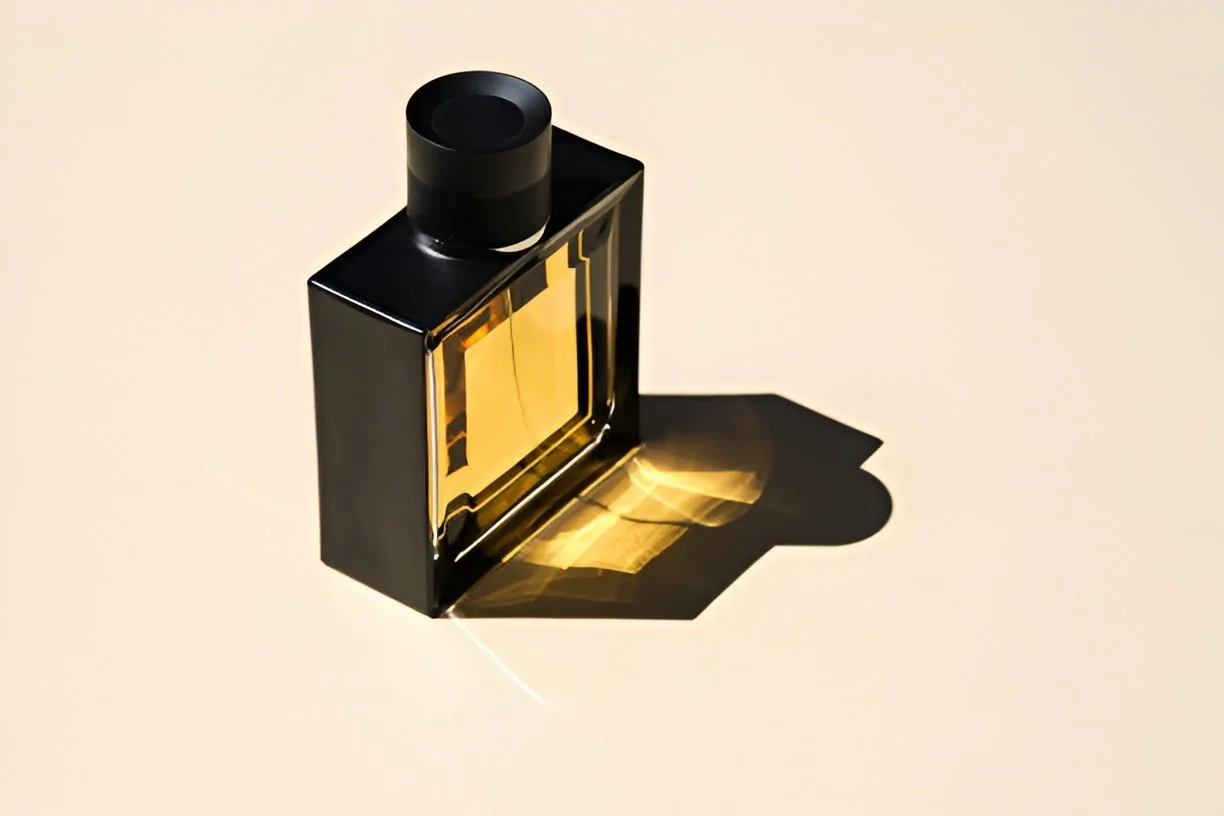
The Edit — L'ÉGÉRIE ARABIA's Niche Selection for 2026
HouseFragranceWhy It MattersAmouageGuidance 46 ExtraitThe apex of the house's current vision frankincense as architectureMaison Francis KurkdjianOud Satin MoodParis in conversation with the Gulf neither compromisesXerjoffItalicaSilence as luxury the scent only intimacy revealsRasasiOudh Inferno collectionThe Gulf house building its own legacyZimayaSpring florals 2026Local momentum, global standard
L'ÉGÉRIE ARABIA is the intelligence media for the sovereign woman of the Gulf. For more on the season's beauty directions, explore our Beauty edit.